The Technology Behind Fotona 4D Laser Facial (TimeWalker)
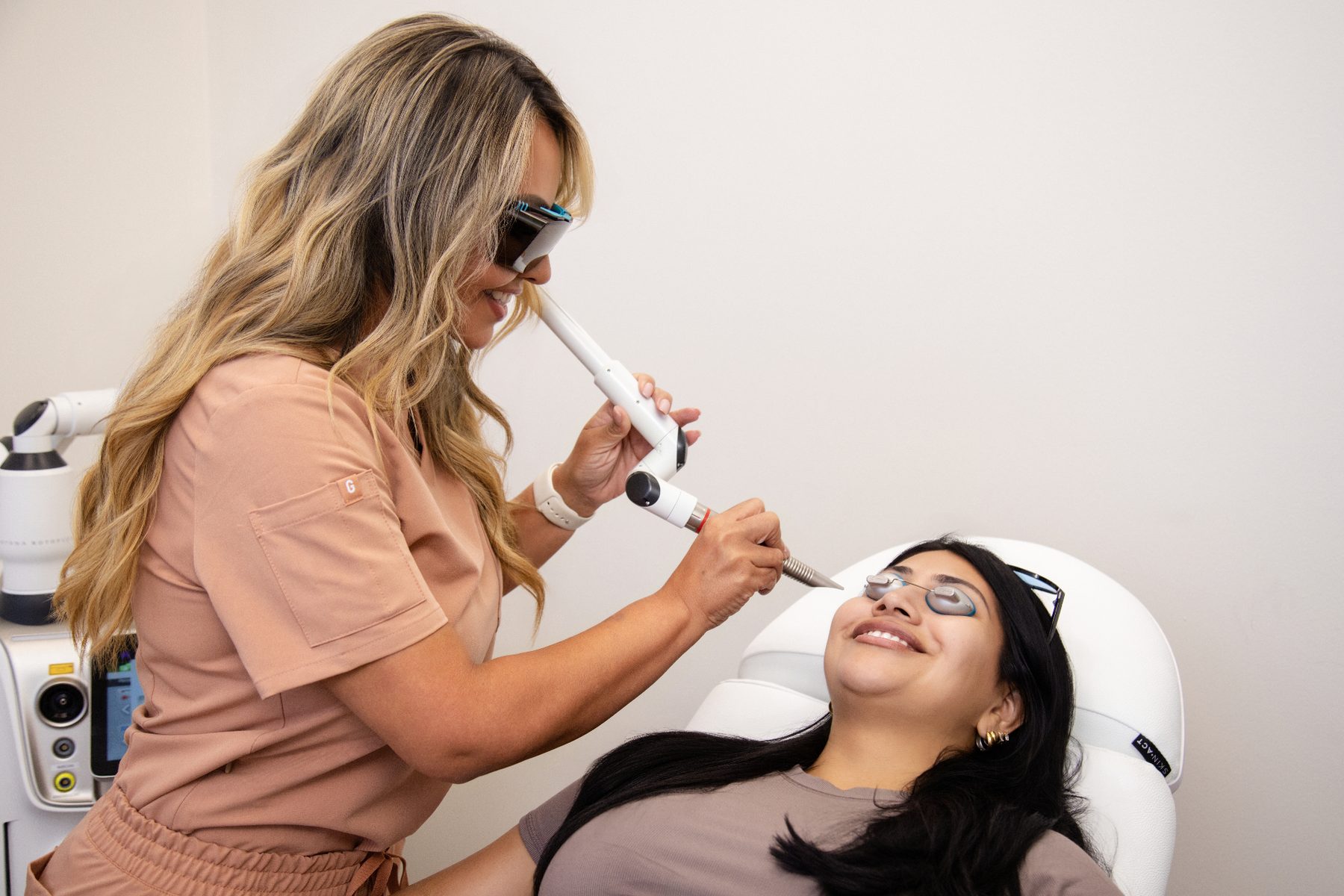
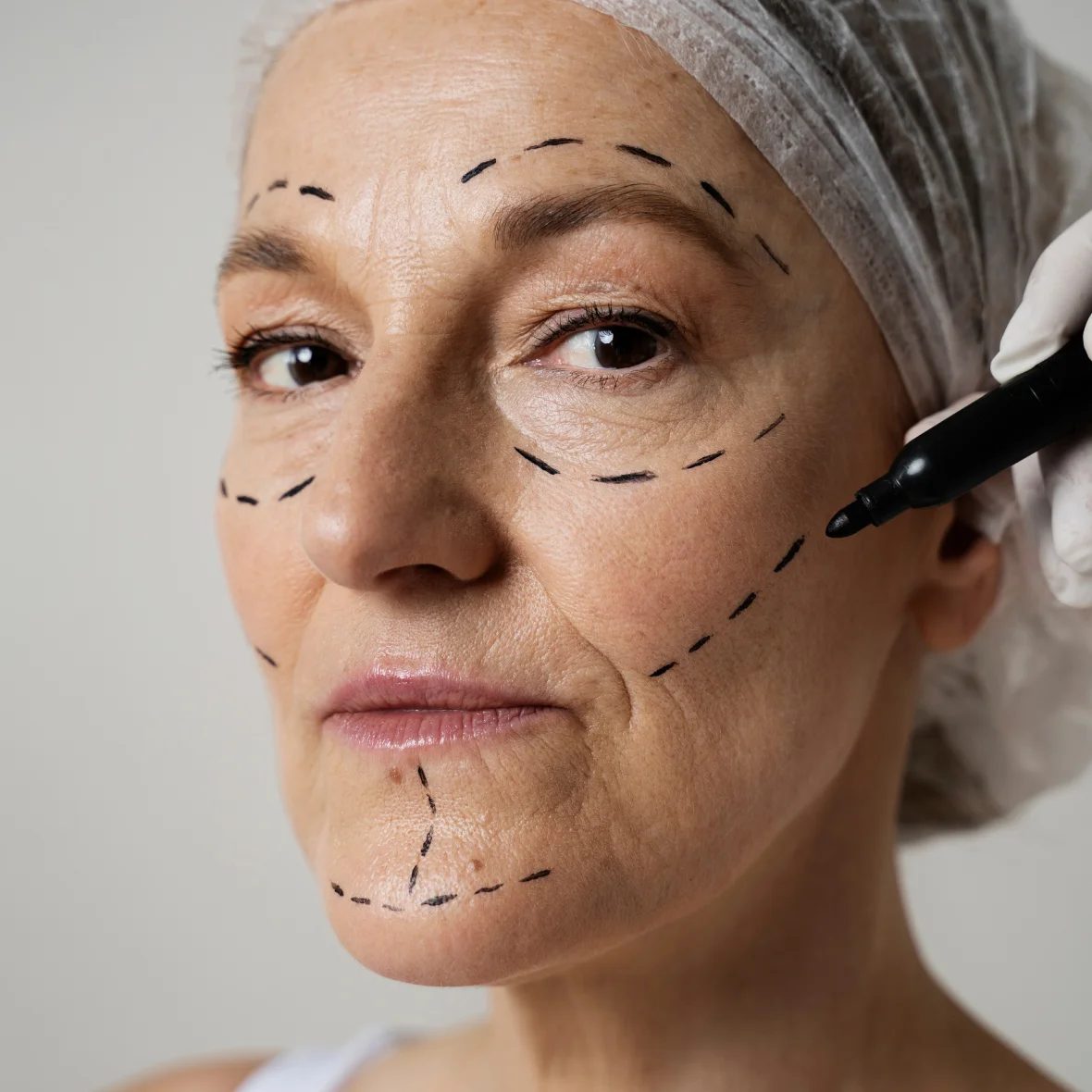
The appeal of non-surgical skin rejuvenation has always come down to one simple question: can a treatment create visible change without the downtime, risk profile, and commitment of surgery? The Fotona 4D Laser Facial (TimeWalker) sits squarely in that conversation because it was designed around a more layered idea of skin aging. Instead of treating only the surface or relying on a single laser pass, it combines multiple modes, multiple tissue depths, and a sequence that targets structure as much as texture.
That is what makes the technology worth examining. A lot of devices in aesthetics promise lifting, brightening, and tightening in the same breath. Fewer actually have a technical design that explains why those outcomes might happen together. Fotona’s approach is more interesting than the marketing shorthand suggests, because it uses two wavelengths, different pulse durations, and both intraoral and external treatment steps to create cumulative change.
For patients, this matters because expectations are often shaped by before-and-after images that flatten a complex process into one result. For clinicians, it matters because the difference between a good laser platform and a mediocre one usually lives in details such as pulse control, tissue selectivity, thermal behavior, and operator flexibility. The TimeWalker system, used for the Fotona 4D Laser Facial, is one of those platforms where the engineering choices genuinely affect what can be done in the treatment room.
Why the name "4D" matters more than it first appears
At first glance, “4D” sounds like branding, and part of it certainly is. But in practice the term refers to four distinct treatment dimensions, each targeting a different anatomical layer or treatment goal. Rather than viewing facial aging as a problem of the epidermis alone, the protocol treats the oral mucosa, deeper dermal support, superficial skin quality, and finishing-level textural refinement in one session or treatment course.
That multi-step design addresses a reality every experienced practitioner knows well: facial aging rarely happens in just one plane. Patients do not lose elasticity only at the surface. They also lose collagen support, develop laxity around the lower face, accumulate fine lines from repetitive movement, and show textural dullness or enlarged pores that make the skin look older even before sagging becomes obvious.
The Fotona 4D Laser Facial (TimeWalker) was built around that layered understanding. It uses the Er:YAG and Nd:YAG wavelengths in a structured sequence, giving the operator a way to move from deep thermal effects to superficial polishing without switching to a completely different platform. That matters not only for efficiency, but for treatment coherence. When one system is designed to deliver the full protocol, the steps can be calibrated to work together rather than compete.
The two laser wavelengths at the heart of the system
The foundation of Fotona technology is its dual-wavelength architecture. The platform typically combines Er:YAG at 2940 nm and Nd:YAG at 1064 nm. These are not interchangeable wavelengths. They interact with tissue differently, and that difference is precisely why the protocol can target more than one aesthetic concern.
Er:YAG has very high absorption in water. Since skin contains a great deal of water, this wavelength is especially effective for precise ablation and superficial resurfacing. It can remove or heat tissue with fine control and relatively limited collateral thermal spread compared with some other resurfacing technologies. In practical terms, this makes it useful when the goal is texture refinement, fine-line softening, and controlled epidermal or superficial dermal renewal.
Nd:YAG at 1064 nm behaves differently. It penetrates more deeply and is less strongly absorbed by water at the skin surface. That deeper reach makes it useful for bulk heating, vascular targets in some contexts, and non-ablative thermal stimulation of collagen remodeling. In facial rejuvenation, it can deliver heat into deeper dermal structures while preserving the outer skin barrier more effectively than a purely ablative approach would.
The value of the TimeWalker platform is not simply that it contains both wavelengths. Many systems have multiple settings. The real advantage lies in how those wavelengths are orchestrated with pulse modes and treatment handpieces so that depth, intensity, and tissue response can be adjusted to the patient in front of you. A thin, reactive patient with early photoaging needs a very different energy profile than someone with thicker, oilier skin and more established laxity.
How the four treatment modes work together
The Fotona 4D Laser Facial (TimeWalker) is commonly described through four stages: SmoothLiftin, FRAC3, PIANO, and SupErficial. These are not just marketing labels for the same laser pass repeated at different settings. Each mode has a specific technical purpose.
SmoothLiftin is the part that often surprises first-time patients because it is delivered from inside the mouth. The Er:YAG laser is applied to the oral mucosa, usually along the cheeks and perioral region. The goal is controlled heating of tissue from the inside out, stimulating collagen remodeling in an area that contributes to lower-face support and perioral lines. Clinically, this can be useful for softening nasolabial folds, improving the appearance of marionette lines, and creating subtle support in the mid to lower face. It is not a substitute for surgical lifting, but it does target a zone that many non-invasive treatments ignore.
FRAC3 uses the Nd:YAG laser in a fractional, sub-epidermal manner to target deeper imperfections. This stage is often directed toward fine lines, enlarged pores, superficial dyschromia in selected patients, and areas where textural irregularity reflects deeper structural change. The laser creates a patterned thermal effect that encourages remodeling while limiting widespread surface injury. In practice, this is one of the steps that helps explain why patients may report a more “rested” appearance even when the change is not dramatic enough to read as an obvious procedure.
PIANO is designed for deep, uniform bulk heating. It uses a super-long pulse Nd:YAG mode to raise tissue temperature safely across a broader volume. This is where tightening enters the conversation. Collagen responds to heat in complex ways, but broadly speaking, controlled dermal heating can trigger contraction and later remodeling. The challenge with any bulk-heating technology is reaching a therapeutic temperature without overheating the epidermis. PIANO mode addresses this by stretching the pulse duration and distributing energy in a way intended to produce deeper, comfortable heating.
SupErficial is typically the finishing Er:YAG pass. This can be a light peel or polishing treatment, depending on settings and clinical goals. It targets superficial irregularities, helps improve visible radiance, and contributes to the smoother skin quality many patients notice first. If the earlier steps work more on support and structure, SupErficial helps the final result show itself in the mirror.
One of the strengths of this sequence is that it reflects how patients actually evaluate their faces. They may say they want tighter skin, but they also care about pores, dullness, lipstick lines, and the tired-looking texture around the mouth and eyes. A treatment that addresses only one layer often leaves the face looking improved in theory but not fully refreshed in practice.
The science of thermal remodeling, without the mystique
Aesthetic laser discussions often become vague right at the point where they should become precise. “Collagen stimulation” gets used as a catch-all phrase, even though not all thermal stimulation is equivalent. In the case of Fotona 4D, the mechanism is rooted in controlled photothermal interaction.
When laser energy is absorbed by tissue, it converts to heat. The effect of that heat depends on temperature, depth, duration, and the type of tissue involved. Lower controlled heating can stimulate fibroblast activity and trigger a wound-healing response that leads to new collagen formation over time. Higher or more concentrated heating can create more immediate tissue contraction, while ablative energy removes superficial tissue and initiates a separate remodeling process.
What makes the TimeWalker platform technically useful is its ability to vary these conditions. Shorter, more precise Er:YAG interactions can resurface. Longer Nd:YAG pulses can bulk-heat. Fractional delivery can create columns or zones of injury while preserving adjacent tissue, which supports healing. In real-world terms, that means the practitioner can combine immediate effects, such as mild tightening or superficial smoothing, with delayed effects that unfold over weeks as remodeling progresses.
Patients sometimes expect a single dramatic endpoint after one session. That is rarely how collagen-based rejuvenation works. The more honest description is cumulative improvement. Skin may feel firmer sooner, but the better change often develops gradually, especially if a patient completes a series. From a technical standpoint, that delayed improvement is exactly what you would expect from a treatment based on controlled thermal remodeling rather than volume replacement.
Why intraoral treatment is such a distinctive feature
The intraoral step is one of the most technically and clinically distinctive parts of the Fotona 4D Laser Facial (TimeWalker). Many devices can heat skin externally. Fewer can safely and effectively target the support structures of the lower and mid face from inside the mouth.
Treating through the oral mucosa allows energy delivery to soft tissue in a way that bypasses the epidermis. That gives practitioners another vector for stimulating collagen and addressing areas prone to creasing and volume descent. Around the nasolabial folds and perioral area, where external treatments alone sometimes struggle to create enough structural support, this internal approach can add a meaningful edge.
It also changes the patient experience. The sensation is not usually described as painful so much as unusual. There is warmth, pressure, and the feeling of a device moving along the inner cheek. For some patients it is the most memorable part of the session, not because it is severe, but because it is unfamiliar. Clinically, careful patient preparation helps here. When patients know why the intraoral step is being done and what it contributes, they tolerate it much better.
This is a good example of technology shaping treatment philosophy. Instead of chasing only what is visible on the skin surface, the system acknowledges that facial support is partly internal. That may sound obvious anatomically, but many non-surgical treatments still operate as if skin aging begins and ends at the epidermis.
How TimeWalker differs from a standard resurfacing laser
People often assume all laser facials sit on the same spectrum, differing mainly in intensity. That is not quite right. A classic resurfacing treatment, particularly an aggressive ablative one, is designed primarily around the skin surface and upper dermis. It can be excellent for wrinkles, sun damage, and texture, but it is not always ideal for patients who want measurable improvement with moderate downtime.
The TimeWalker approach differs because it blends resurfacing with deep non-ablative heating and tissue support. It is less about stripping the top layer to force renewal and more about stacking several moderate mechanisms in the same session. The result is often Fotona 4D Laser Facial (TimeWalker) subtler than a fully ablative procedure, but also more versatile for patients who are not ready for stronger downtime or who want a broader treatment profile.
That trade-off is worth stating plainly. A Fotona 4D protocol may improve laxity, fine lines, texture, and brightness in one plan, but it will not replace a facelift in a patient with significant jowling or heavy neck laxity. It may soften etched perioral lines, but not as dramatically as deeper ablative resurfacing in a carefully selected patient willing to accept longer recovery. Experienced clinicians generally see it as a middle-path treatment, broader than single-modality lasers and more refined than a one-note tightening device.
Pulse control, safety, and why operator skill matters
Laser outcomes depend on the machine, but also on the person holding the handpiece. That is especially true with platforms like TimeWalker, where multiple modes can be adjusted for fluence, pulse duration, overlap, and treatment density. These variables shape both efficacy and risk.
The safety profile of Fotona systems is supported by the fact that the wavelengths and pulse modes are well understood in laser medicine. But safety in practice always comes down to matching parameters to skin type, treatment area, indication, and patient tolerance. Darker skin tones, recent tanning, inflammatory skin conditions, active infection, and impaired healing all demand extra caution. Even a sophisticated system can create post-inflammatory hyperpigmentation, prolonged redness, irritation, or disappointing results if settings are poorly chosen.
A seasoned operator tends to think in gradients rather than absolutes. How much heat can this patient safely tolerate? How reactive is their skin? Is their main issue laxity, texture, or pigment? Are they likely to follow post-care instructions? These questions matter more than any brochure language. I have seen patients with modest aging changes respond beautifully to conservative settings because the treatment matched the problem. I have also seen patients overtreated by the logic that more energy must equal more improvement, which is rarely the right way to approach facial skin.
What patients usually notice first, and what takes time
Not every benefit appears on the same timeline. One reason some patients underestimate laser technology is that they are looking for the wrong marker too soon. Surface brightness and a smoother feel often show up first, especially if the SupErficial step is part of the protocol. Skin may look fresher within days, once any immediate redness settles.
Tightening and contour refinement usually move more slowly. That is because collagen remodeling is biologic work, not a cosmetic trick. The skin does not reorganize itself overnight. Over the following weeks, patients may describe firmer cheeks, softer smile lines, less crepiness around the mouth, or makeup sitting better on the skin. These observations are meaningful because they reflect changes in both the skin surface and underlying support.
Results also depend on the baseline. A patient in their late thirties with mild laxity and early texture change is often an ideal candidate because the treatment can intercept decline before structural loss becomes pronounced. A patient in their sixties with deeper folds and more advanced tissue descent may still improve, but usually needs a discussion about realism and combination treatment planning.
Where the technology fits among other aesthetic options
A useful way to understand the Fotona 4D Laser Facial (TimeWalker) is to see it not as a direct competitor to every laser or every non-surgical procedure, but as a bridge treatment between categories. It has more structural ambition than a light lunchtime facial and less invasiveness than surgery or aggressive resurfacing.
It often sits well in treatment plans for patients who want to delay more invasive procedures, maintain results after other interventions, or address several moderate concerns at once. It can also complement injectables. For example, fillers restore volume well, but they do not improve skin texture. Neuromodulators reduce dynamic lines, but they do not tighten lax cheeks. Energy-based treatments like Fotona fill in those gaps by acting on tissue quality and collagen support.
That said, technology stacking only works when it is thoughtful. Combining everything because a patient wants “the best” can lead to overtreatment, inflammation, and muddled outcomes. The smarter approach is sequencing. Use the laser for skin quality and tightening, injectables for movement or volume where indicated, and reserve surgery for structural changes beyond the reach of non-invasive treatment.
Practical factors that influence a good result
Several variables consistently shape outcomes, regardless of what the brochure says:
- skin quality before treatment
- degree of laxity and volume loss
- treatment settings and operator technique
- number of sessions completed
- adherence to sun protection and aftercare
These may sound basic, but they explain a great deal of the variation patients see online. Someone with mild aging, consistent sunscreen use, and a properly spaced treatment series may get elegant, natural improvement. Someone with significant photodamage, smoking-related skin changes, or unrealistic expectations may feel underwhelmed even if the laser was technically well performed.
The aftercare piece is especially underappreciated. Laser-treated skin is temporarily more vulnerable, and cumulative UV exposure can erase gains faster than patients realize. A sophisticated collagen-stimulating treatment paired with poor sun habits is a losing equation.
What the future-facing appeal really is
The Fotona 4D Laser Facial (TimeWalker) strongest argument for this technology is not that it can do everything. It cannot. Its real appeal is that it reflects a maturing view of non-surgical rejuvenation. Instead of trying to force one mechanism to solve every cosmetic complaint, it uses complementary forms of laser-tissue interaction to treat aging as a layered process.
That is a more credible way to approach the face. Skin texture, dermal support, superficial wrinkles, and soft-tissue laxity are connected, but not identical. A platform that can move between those targets with precision has obvious advantages in experienced hands. It also gives patients a treatment that feels customized rather than generic, even when the protocol follows a recognizable structure.
For clinics, the TimeWalker system is attractive because it is versatile. For patients, the appeal is subtler. It offers a way to pursue visible rejuvenation that does not depend on one dramatic intervention. Improvement can be built, refined, and maintained.
And that, more than any flashy device label, is what the technology behind the Fotona 4D Laser Facial (TimeWalker) is really about. It is a system built on control: control of depth, heat, pulse, sequence, and tissue response. In aesthetic medicine, that kind of control is often the difference between a treatment that sounds advanced and one that actually earns its place in practice.
OMNIA Wellness Center
Address: 16430 Ventura Blvd Ste 207, Encino, CA 91436
Phone: (818) 386-8511
FAQ About Fotona 4D Laser Facial (TimeWalker)
What are the benefits of Fotona laser treatment?
OMNIA offers this treatment for concerns such as uneven texture, dull tone, and fine lines. Results and the number of sessions vary, so discuss your goals with a provider.
Is Fotona laser safe?
A qualified provider should review your skin, medical history, medications, and recent sun exposure to determine whether the treatment is appropriate. Ask about possible irritation, pigment changes, and aftercare before booking.
How much does a Fotona 4D facelift cost?
Price depends on the treatment plan and number of visits. Ask OMNIA for an itemized estimate during your consultation.
Ends · ARCHERZKWI991