Fotona 4D Laser Facial (TimeWalker) Encino, CA: A Modern Approach to Skin Renewal
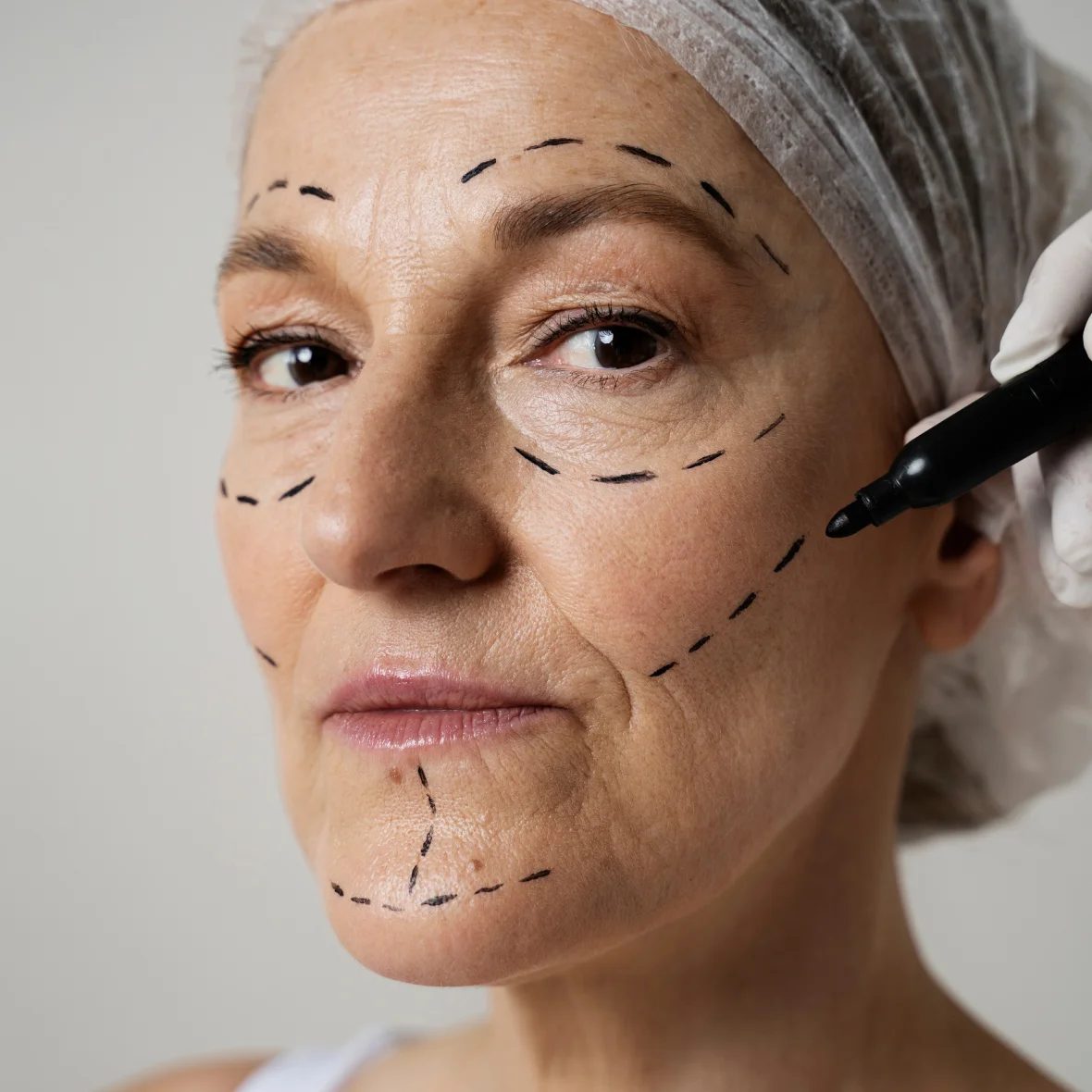
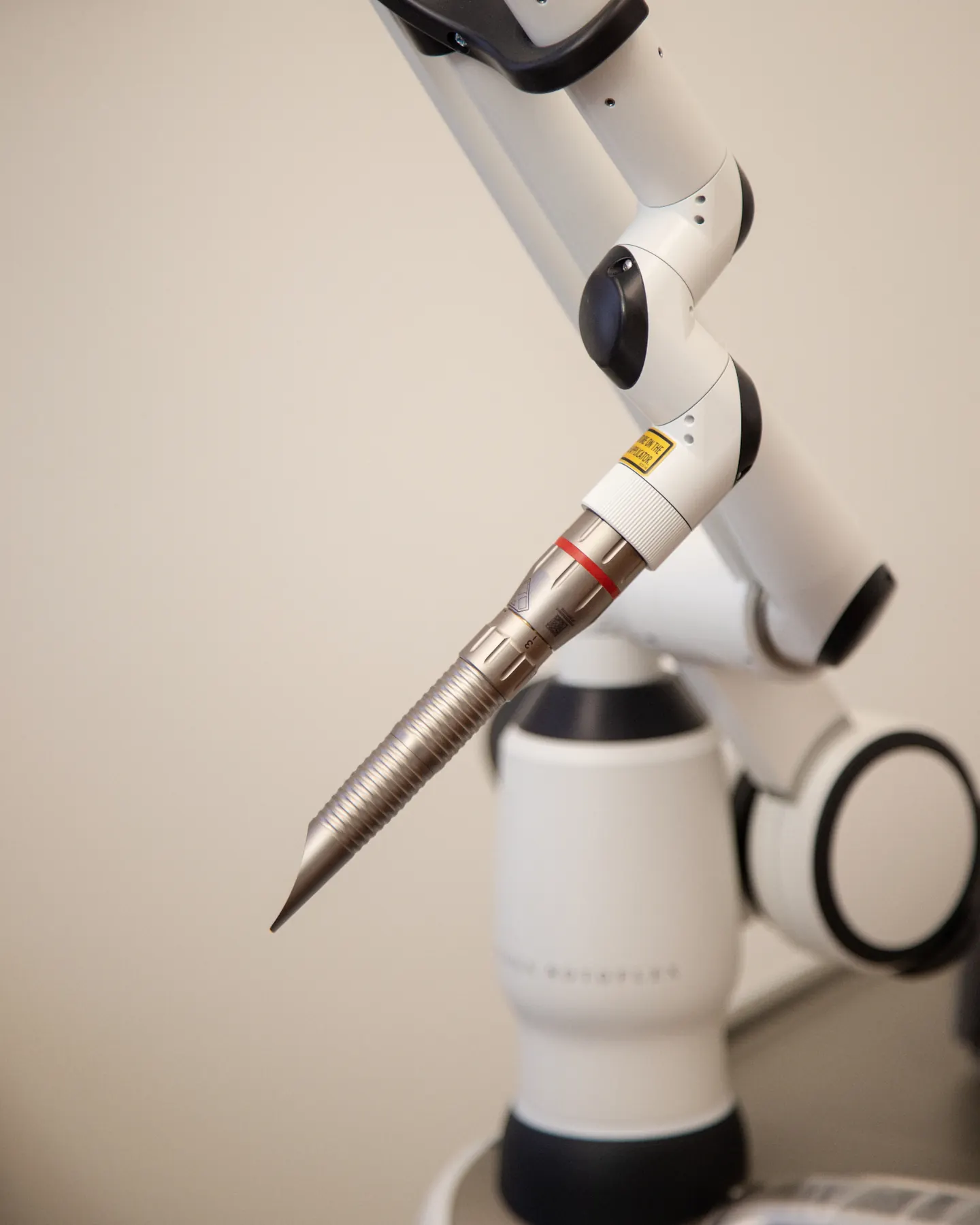
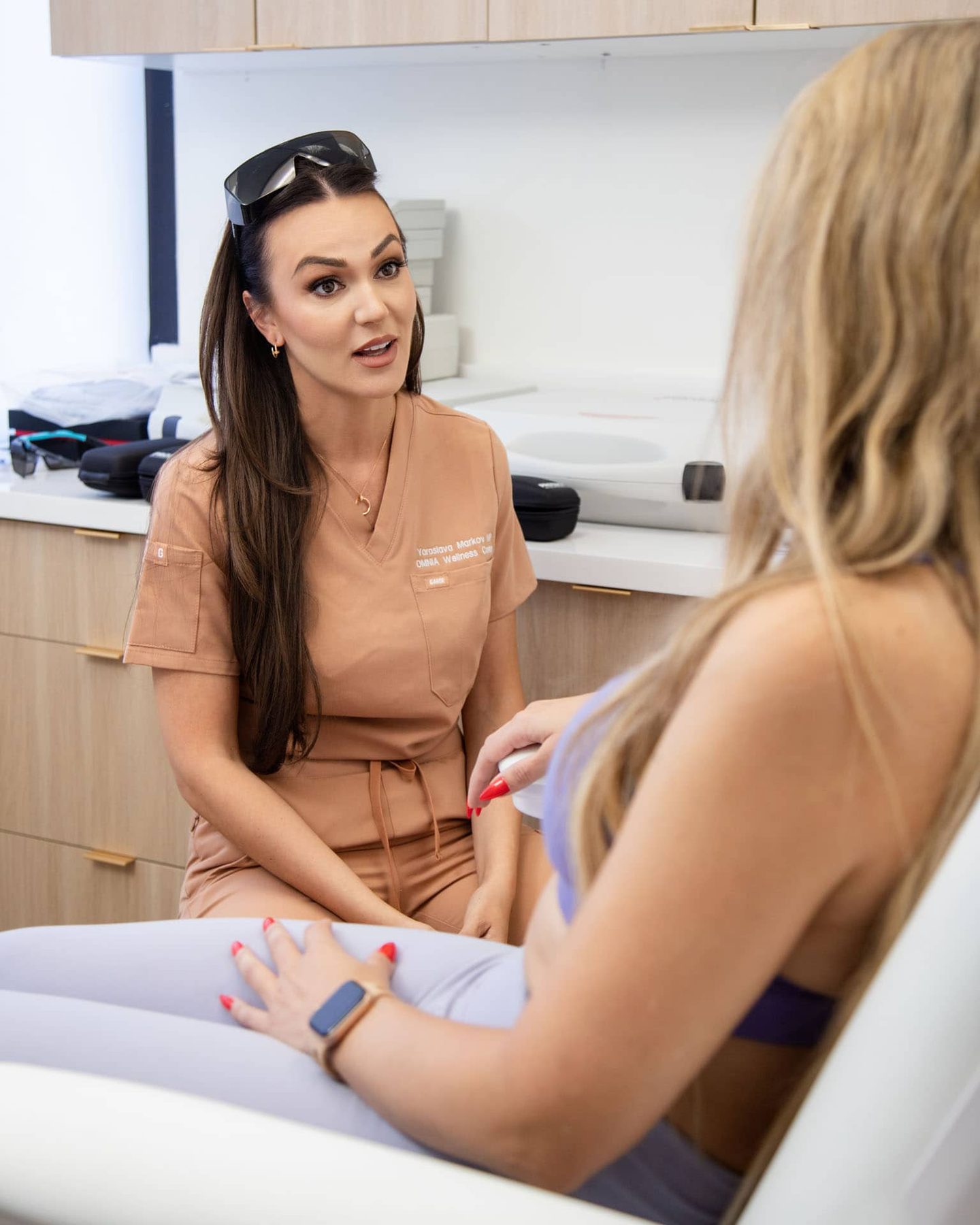
Interest in non-surgical skin rejuvenation has changed dramatically over the last several years. Patients still want visible improvement, but they are often less willing to accept the downtime that comes with more aggressive resurfacing. That shift is one reason the Fotona 4D Laser Facial, often discussed alongside the TimeWalker platform, has become a frequent point of conversation in aesthetic practices. For patients exploring options in the San Fernando Valley, the appeal of a Fotona 4D Laser Facial (TimeWalker) Encino, CA often comes down to one question: can it meaningfully improve the skin without forcing life to stop for a week?
That is the right question to ask.
The treatment is designed to address tone, texture, laxity, and early to moderate signs of aging by combining several laser modes in a single session. Rather than relying on one pass or one depth of treatment, it works in stages. Some steps target the skin from inside the mouth to support tightening around the lower face. Others focus on superficial polishing, deeper collagen stimulation, and selective heating. The result is not the sort of dramatic one-day transformation that a surgical lift can deliver, but it can produce a fresher, firmer, more rested look that many patients find worth the commitment.
What makes this treatment interesting Fotona 4D Laser Facial (TimeWalker) Encino, CA is not just the technology itself, but the way it fits into real life. People in Encino tend to be busy. They have demanding jobs, school schedules, social events, cameras everywhere, and very little patience for interventions that leave them sidelined. A treatment that can improve skin quality while keeping downtime relatively manageable tends to get attention for good reason.
What Fotona 4D actually is
Despite the name, the treatment is not one single laser pulse with a marketing label attached. It is a layered protocol that uses two wavelengths, most commonly Er:YAG and Nd:YAG, in four distinct treatment modes. Different providers may slightly adapt the sequence based on patient needs, but the philosophy is consistent: stimulate collagen, refine the skin surface, and support tightening from multiple angles in the same appointment.
One of the more distinctive features is the intraoral component. In plain terms, part of the treatment may be performed from inside the mouth to heat tissue around the cheeks and perioral area. Patients are often surprised by that, but it is one of the reasons the protocol has developed a reputation for helping soften early jowling and reducing crepey texture around the mouth. That area is notoriously difficult to treat well because it shows age quickly and responds unevenly to many modalities.
The rest of the session usually works externally on the skin. Some passes prioritize deeper thermal stimulation, while others focus on a controlled, light resurfacing effect. The practical benefit is that the provider can address multiple concerns in one sitting instead of trying to choose between tightening and textural improvement. That combination is where much of the value lies.
The term TimeWalker is often used in connection with Fotona platforms and rejuvenation protocols, and patients sometimes use the names interchangeably. In a consultation setting, what matters more than the brand language is understanding the treatment settings, the intended goals, and the provider’s experience with facial anatomy and laser response.
Why patients in Encino ask for it
Encino is not a market where people are looking only for trend-driven treatments. Most patients want something more measured. They want to look better on video calls, less tired in person, and less drawn around the mouth and jawline. They may not be ready for surgery, or they may simply not need it yet. The Fotona 4D Laser Facial tends to appeal to this middle ground.
In real practice, the patients asking about it often fall into a few recognizable groups. Some are in their late thirties to fifties and notice that the skin no longer bounces back the way it used to. Makeup starts to sit differently. Smile lines linger. The jawline softens under certain lighting. Others are younger but dealing with post-acne texture, enlarged pores, or early collagen loss after weight fluctuations. There is also a segment of patients who have done injectables for years and realize that Fotona 4D Laser Facial (TimeWalker) Encino, CA filler alone cannot fix dull skin, crepe, or uneven texture.
That distinction matters. Volume loss is one issue. Skin quality is another. A face can be carefully injected and still look tired if the skin itself is rough, lax, or photodamaged. Laser treatment enters the conversation when the problem is no longer just shape, but surface and support.
Sun exposure also plays a role in Southern California. Even patients who are diligent with sunscreen accumulate a fair amount of incidental UV exposure over the years. Driving, outdoor exercise, school pick-up lines, and weekend activities add up. Mild pigment irregularity, redness, and collagen breakdown often show up earlier than patients expect.
How a session typically feels
A well-run consultation should make the experience feel straightforward, not mysterious. The provider usually begins by evaluating skin tone, texture, laxity, acne scarring, vascular issues, and recent tanning history. That last point is especially important in a sunny climate. Fresh tan, recent sunburn, and certain pigment patterns can alter the safety profile of laser treatments.
On treatment day, the skin is cleansed thoroughly. Depending on settings and patient sensitivity, a topical numbing cream may be used, though not every step requires it. Patients often describe the intraoral phase as unusual more than painful. There is pressure and warmth, but it is generally tolerable. The external passes tend to feel like quick snaps of heat or a prickling warmth across the skin. Around the mouth and under the eyes, sensitivity can be higher, which is normal.
The total appointment length varies, but many sessions fall somewhere around 45 to 90 minutes, depending on the treatment plan and whether neck or other areas are included. Afterward, the skin may look pink or mildly flushed, similar to a brisk workout or a day in dry wind. Some people experience swelling, especially around the eyes or lower face, and a rough sandpapery feel can develop for a few days if a resurfacing step is included.
This is where expectations need to stay realistic. The treatment is often described as having less downtime than fully ablative resurfacing, and that is true. Less downtime does not mean no downtime. A patient with a major event the next morning should think carefully about timing. A patient with a wedding in three weeks is usually planning appropriately.
What concerns it can address well
The treatment tends to perform best when the goal is broad rejuvenation rather than one highly specific problem. It is often chosen for patients who want incremental but noticeable improvement across several categories at once.
The strongest use cases usually include dull texture, mild to moderate skin laxity, perioral lines, enlarged pores, and a tired overall facial quality that is difficult to define but easy to see. It can also help with the lower face in ways patients appreciate. A slightly heavier jawline or early sagging around the mouth may not disappear, but it can look tighter and cleaner after a series of treatments.
It is also useful for patients who are not ideal candidates for more aggressive resurfacing. Some people cannot realistically manage a week or two of social downtime. Others do not need that intensity. When someone wants a refreshed appearance rather than a dramatic resurfaced look, Fotona 4D can occupy a sensible middle lane.
That said, there are limits. Deep etched wrinkles will not vanish from one treatment. Significant skin laxity will not be corrected to the degree a surgical facelift can achieve. Heavier pigmentation disorders may require a more specific strategy. Strong treatments are best when matched to the right problem, not when sold as universal answers.
The difference between improvement and transformation
One of the most important parts of any aesthetic consultation is clarifying what success looks like. Patients often come in with photos from different decades, taken under different lighting, at different weights, with different styling, and expect a non-surgical treatment to bridge all of that history. Good providers gently narrow the frame.
With Fotona 4D, the expected outcome is usually improvement in smoothness, brightness, tightness, and overall skin vitality. Friends may say you look well-rested or ask whether you changed your skincare. Those are common responses. It is subtler than surgery and often more comprehensive than a single light peel or one stand-alone tightening pass.
In my experience, the happiest patients are rarely the ones chasing perfection. They are the ones who understand the treatment is cumulative and strategic. They know that collagen remodeling takes time. They are interested in looking better in ordinary daylight, not only in filtered photos.
Who tends to be a good candidate
The best candidates are patients with mild to moderate signs of aging who want visible change without a prolonged recovery. Age matters less than skin condition and expectations. A healthy patient in their early forties with early laxity and textural change may be an excellent fit. So might a patient in their sixties who understands that the gains will be supportive rather than surgical.
Skin type requires more nuance. Laser settings need to be adjusted carefully for different complexions, and not every pigment concern behaves the same way. Providers experienced in treating a range of skin tones are better equipped to discuss risk honestly, especially if post-inflammatory hyperpigmentation is a concern.
Certain factors can make treatment less suitable or require a delayed timeline:
- Recent sun exposure or active tanning
- Active infection, open lesions, or significant skin irritation
- Pregnancy or breastfeeding, depending on the practice’s protocols
- Unrealistic expectations about lifting or wrinkle removal
- A history of abnormal scarring or pigment complications that has not been fully evaluated
That kind of screening is not a formality. It is part of good laser medicine. The right treatment at the wrong time can still be the wrong treatment.
How many sessions most people need
A single session can give the skin a temporary glow and some early tightening, but most patients need a series for more meaningful results. Depending on age, baseline skin quality, and goals, many practices recommend three treatments spaced several weeks apart. Maintenance may follow every few months or according to how the skin responds over time.
There is no universal formula that fits everyone. A patient with thicker, oilier skin and early pore enlargement may respond differently than a patient with thinner skin and pronounced crepe under the eyes. Settings, spacing, and supportive skincare all influence the trajectory.
This is another place where honest counseling matters. If a treatment is presented as one and done for everyone, skepticism is appropriate. Collagen biology is slower than marketing. Improvement accumulates over weeks and months, not overnight.
Downtime, aftercare, and social planning
Patients often ask whether they can return to work the same day. Technically, many can. Whether they want to is another matter. Mild redness is common. Swelling can occur. Skin can feel warm, tight, or rough for several days. If the treatment includes a stronger polishing pass, makeup may sit unevenly until the surface settles.
Practical aftercare is usually simple, but it needs to be followed. The skin barrier is temporarily more vulnerable, so irritation from active products can derail recovery. A bland moisturizer, gentle cleanser, sun avoidance, and broad-spectrum sunscreen are standard. Heat exposure, intense workouts, steam rooms, and unnecessary rubbing should be avoided in the immediate recovery window.
The smartest patients schedule treatment around their real calendar, not their ideal one. If you have a major presentation, family photos, a reunion, or an event where you expect close-up pictures, give yourself breathing room. A week is often comfortable planning for social confidence, though some people normalize much faster and others take a bit longer.
How it compares to other popular rejuvenation options
Patients in Encino rarely look at only one treatment. They are often comparing microneedling with radiofrequency, fractional laser resurfacing, chemical peels, ultrasound tightening, and injectables. Each has a place.
Microneedling with radiofrequency can be excellent for acne scars and collagen support, but it does not create the same blend of intraoral tightening and laser-based surface refinement. Fractional ablative resurfacing can produce stronger textural change, especially for etched lines and more advanced sun damage, but downtime is typically greater. Chemical peels are useful, especially for pigment and brightness, but they are usually not the answer when laxity is part of the concern. Injectables can restore contour, soften dynamic wrinkles, and support facial balance, yet they do not replace true skin rejuvenation.
A thoughtful treatment plan sometimes combines modalities over time. For example, a patient may use neuromodulators for forehead movement, reserve filler for selective volume loss, and choose Fotona 4D to improve lower-face tightening and overall skin quality. That kind of combination often looks more natural than leaning too heavily on any one intervention.
The provider matters as much as the platform
Technology gets attention, but outcomes still depend heavily on the person holding the handpiece. Devices do not make aesthetic judgments. Providers do. Energy settings, pass counts, treatment depth, and patient selection all require experience. So does knowing when not to treat.
That is especially true around the mouth and jawline, where many patients focus their concern. Overpromising in that area is easy. Delivering balanced improvement without creating unnecessary risk takes restraint and skill. A careful provider will explain where laser can help, where it may need support from other treatments, and where surgery is the more effective path.
When patients search for Fotona 4D Laser Facial (TimeWalker) Encino, CA, it makes sense to look beyond the device name and ask practical questions. How often does the provider perform this treatment? What skin types do they treat most often? What is their plan if pigment changes occur? How do they sequence this treatment with injectables, peels, or skincare? Those questions tell you more than a polished before-and-after gallery alone.
What results tend to look like over time
The first changes are often subtle. The skin can look brighter and feel smoother within days to weeks. Tightening and collagen-driven improvement generally unfold more gradually. That pacing can be frustrating for patients who want immediate dramatic change, but it is part of the reason the treatment often looks believable. The face does not suddenly appear altered. It looks progressively healthier.
By the end of a well-spaced series, many patients notice better definition around the lower face, softer fine lines around the mouth, improved texture through the cheeks, and less of that tired, creased look that develops when collagen support starts to thin. Makeup usually applies more evenly. Skin tends to reflect light better. These are small details individually, but together they can shift how rested the face appears.
Maintenance matters because skin continues aging. Sun, stress, sleep, hormones, and simple passage of time all continue to influence collagen and pigment. Patients who protect their results with daily sunscreen, appropriate skincare, and periodic maintenance tend to hold gains more gracefully than those who treat laser as a one-time rescue.
Cost, value, and setting expectations in Encino
Pricing varies by provider, scope of treatment, and whether the neck or additional areas are included. Costs are usually higher than a basic facial or light peel, but lower than surgery, which places the treatment in a category many patients consider when they want meaningful non-surgical results. Value depends less on the sticker price than on whether the treatment is well matched to the concern.
A patient spending on repeated low-impact treatments that do not address the real issue may end up paying more over time than someone who chooses a more strategic laser plan from the start. On the other hand, a patient with advanced laxity who keeps trying to avoid a surgical consultation may spend years and substantial money chasing a result no laser can fully create. That is why honest expectation setting is not just ethical, it is financially practical.
A measured option for patients who want real skin rejuvenation
The Fotona 4D Laser Facial has earned attention because it sits in a useful space. It is more comprehensive than many quick refresh treatments, but less disruptive than aggressive resurfacing or surgery. For the right patient, that balance can be exactly what makes it worthwhile.
If you are considering a Fotona 4D Laser Facial (TimeWalker) Encino, CA, the smartest first step is a thorough consultation with a provider who understands both the technology and the anatomy it is meant to treat. Good candidacy, conservative planning, and realistic goals are what turn an interesting device into a satisfying result. The treatment is modern, yes, but the real advantage is more basic than that: when used well, it addresses the skin in a way that feels thoughtful, layered, and believable.
OMNIA Wellness Center
16430 Ventura Blvd Ste 207, Encino, CA 91436
Phone: +1 818-386-8511
FAQ About Fotona 4D Laser Facial (TimeWalker) Encino, CA
What is a Fotona laser good for?
Fotona lasers support several different aesthetic protocols. The Fotona 4D facial uses two wavelengths and four treatment modes to address concerns such as fine lines, skin texture, and mild laxity. OMNIA Wellness Center offers the TimeWalker facial with an individual consultation. Suitability and likely improvement depend on the person's skin and goals; results are not guaranteed, and this treatment does not reproduce a surgical facelift.
How much does a Fotona laser treatment cost?
The cost depends on the treatment protocol, areas treated, number of sessions, and provider's assessment. Ask OMNIA Wellness Center for a current written quote that explains what is included, whether follow-up is included, and any proposed package terms. An individualized estimate is more useful than assuming that one advertised price applies to every facial treatment.
How much downtime is there after a Fotona laser procedure?
Recovery varies with the specific protocol and intensity. Fotona describes its 4D facial as having little to no downtime, but temporary redness or sensitivity can occur, and a stronger surface treatment can require more recovery. Ask the treating clinician what to expect from the planned settings, how to care for the skin afterward, and when to contact the clinic with concerns.
Ends · ARCHERZKWI991