Fotona 4D Laser Facial (TimeWalker) in Encino, CA for a Naturally Youthful Appearance
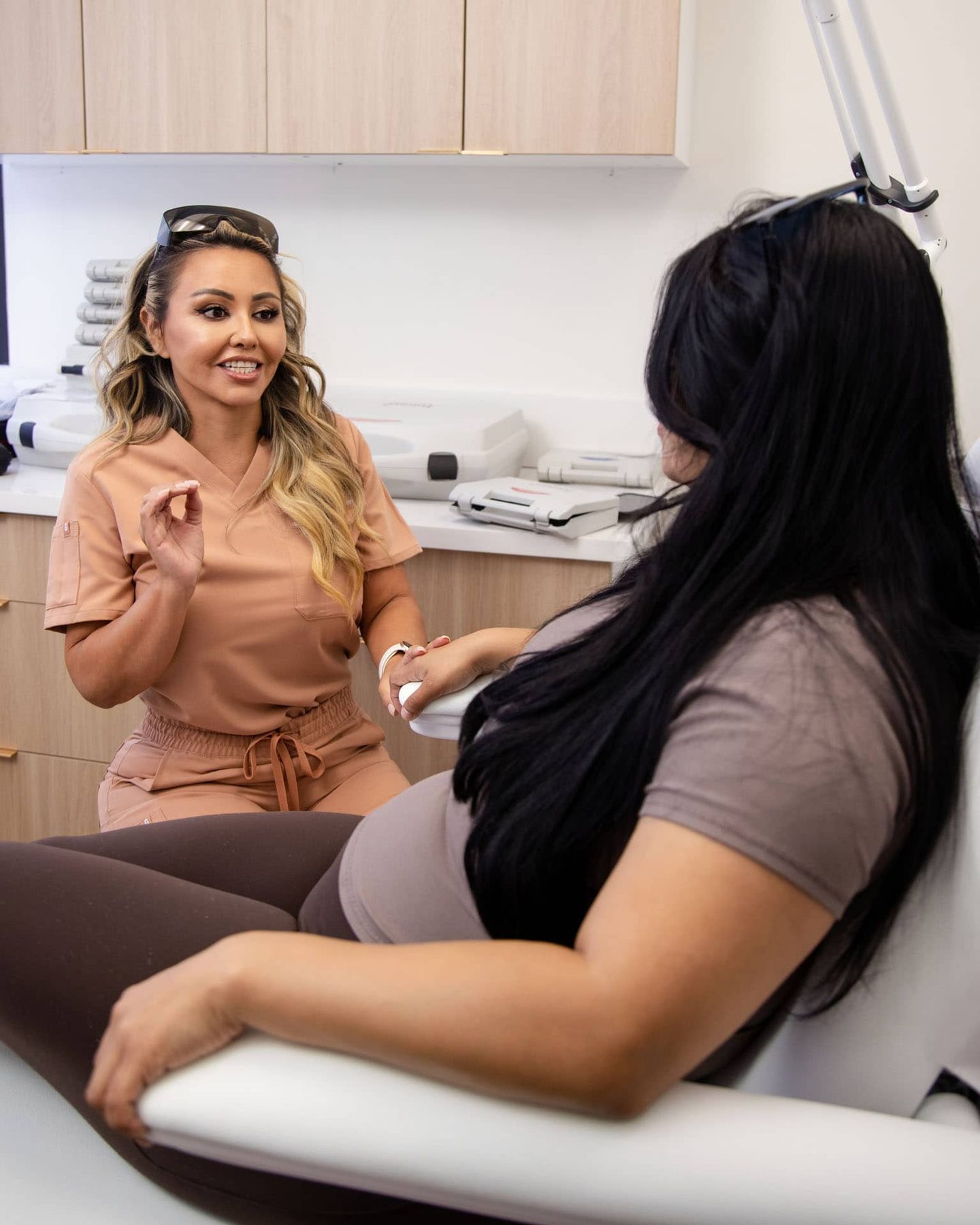
Aesthetic medicine has moved well beyond the era of choosing between heavy downtime and barely noticeable change. Many people want visible improvement, but they do not want to look overfilled, overtreated, or unlike themselves. That is exactly why interest in the Fotona 4D Laser Facial (TimeWalker) Encino, CA continues to grow. It offers a layered, non-surgical approach to skin tightening, texture refinement, and overall facial rejuvenation, without asking patients to disappear from work or social life for weeks.
What makes this treatment especially appealing is the way it addresses aging from multiple angles. Most faces do not age in a single plane. There is laxity around the jawline, soft creasing around the mouth, rougher texture across the cheeks, and gradual dullness that makeup no longer fully corrects. A one-note treatment often misses the point. Fotona 4D was designed to work through several modes of laser energy, treating both the inside of the mouth and the surface of the skin to support a firmer, smoother, fresher look.
In Encino, where many patients want results that read as healthy rather than obvious, this matters. The goal is usually not transformation for its own sake. It is to look more rested, more refined, and more current with how energetic you feel.
What Fotona 4D actually is
Fotona 4D is a multi-step laser facial treatment built around distinct laser modes that target different tissue depths. The name “4D” refers to the four dimensions or treatment stages typically combined in one session. Depending on the provider’s protocol and your skin concerns, the sequence may vary slightly, but the broader aim remains consistent: stimulate collagen, tighten tissue, improve surface quality, and restore a natural-looking lift.
One of the features that sets this technology apart is the intraoral component. That means part of the treatment is performed inside the mouth, usually along the cheeks and perioral area, to thermally stimulate tissue where facial sagging and smile lines often begin to show. Patients are often surprised by how logical this feels once it is explained. If volume loss and laxity contribute to lower-face aging, treating the supporting tissue from inside the cheek can make a visible difference without injections or incisions.
The external phases then address tone, texture, and superficial tightening. That might include a smooth, bulk-heating pass over the skin, followed by a more targeted resurfacing or polishing step. The exact intensity depends on your skin condition, tolerance for downtime, and goals. Someone preparing for a milestone event may prefer a lighter series. Someone with more etched texture or sun damage may benefit from a more assertive plan.
TimeWalker is a platform name often associated with modern Fotona treatment delivery, combining precision, customization, and a broader range of rejuvenation settings. Patients researching the Fotona 4D Laser Facial (TimeWalker) Encino, CA often find the terminology confusing at first, but the important point is practical: this is not a generic laser facial. It is a structured, collagen-focused treatment with depth and versatility.
Why patients in Encino ask for it
There is a particular aesthetic sensibility in communities like Encino. People often want polished skin and a fresher outline to the face, but they rarely ask to look dramatically altered. They want to show up to a meeting, dinner, or school event looking well rested, not questioned about what they had done.
That preference makes treatments like Fotona 4D especially relevant. It sits in a useful middle ground. It tends to do more than a conventional spa facial or light peel, yet it does not carry the same recovery profile as a full ablative laser Fotona 4D Laser Facial (TimeWalker) Encino, CA OMNIA Wellness Center resurfacing procedure. For the right patient, that balance is the entire appeal.
Age range also varies more than many expect. Some patients in their thirties use it as collagen maintenance when they start noticing early smile lines, slight lower-face softening, or makeup settling into texture. Patients in their forties and fifties often seek it for moderate laxity, roughness, and a more tired look around the mouth and cheeks. Older patients may use it as part of a combination plan, especially if they are not ready for surgery or want to improve skin quality after other procedures.
How the four dimensions work together
It helps to think of Fotona 4D as a conversation between deeper support and surface refinement. If you only tighten from above, you may miss the tissue that has begun to loosen underneath. If you only smooth the surface, skin can still appear thin or slack. The reason experienced clinicians value this platform is that it can address several layers in one visit.
The first dimension is often the intraoral tightening component. Heat is delivered inside the mouth to the mucosal tissue, where collagen remodeling can help improve support around the nasolabial folds and lower face. This is not the part most people imagine when they hear “laser facial,” but it is one of the reasons the treatment stands apart.
The next dimension usually focuses on deeper external heating. This bulk heating phase is less about visible exfoliation and more about stimulating collagen and encouraging tissue contraction over time. Patients sometimes describe it as a warm gliding sensation. The skin may look mildly pink afterward, but the larger effect unfolds gradually over several weeks as collagen remodeling takes hold.
A third stage may target more superficial irregularities, such as enlarged pores, fine textural roughness, or mild pigment unevenness, depending on settings and candidacy. This is where many patients begin to see that polished, smoother look they associate with “good skin” rather than simply “tight skin.”
The final stage often acts as a finishing pass, refining the skin surface and supporting a brighter appearance. It is common for patients to notice that their skin reflects light better after a series, even before friends can identify exactly what changed. That kind of improvement can be subtle in the best sense. People may comment that you look refreshed or ask if you changed your skincare.
What concerns it can improve
The strongest candidates are usually dealing with early to moderate signs of aging rather than severe laxity. That distinction matters. No laser facial, however sophisticated, will replicate the degree of lift achieved by surgery in someone with significant jowling or a heavily lax neck. Good treatment planning starts with honesty.
Fotona 4D can be very useful for softening the appearance of perioral lines, improving skin texture, supporting mild lower-face tightening, and restoring some snap to tired-looking skin. It may also help with enlarged pores and a crepey feel, particularly when a patient has cumulative sun exposure but does not want a long recovery.
A common scenario in practice is the patient who says, “I do not look bad, I just look like I am slipping.” That language is usually code for early collagen loss. The cheeks are not as buoyant, the smile lines are deeper in certain lighting, and the jawline looks less crisp in photos. This is where Fotona 4D often shines. It can intervene before a patient feels pushed toward more aggressive treatments.
What treatment feels like
Comfort varies by phase, by provider technique, and by individual sensitivity. Most patients tolerate the treatment well. The intraoral portion feels unusual more than painful, usually a sensation of warmth and pressure inside the cheeks. External passes can feel warm, prickly, or snapping depending on the settings used. Topical numbing may be used for certain steps, though some protocols do not require much anesthesia.
A realistic description matters here. This is not always a spa-level experience. It is a medical laser treatment. At the same time, it is generally quite manageable, especially compared with more aggressive resurfacing devices. Patients who come in expecting zero sensation may feel caught off guard, while those prepared for controlled heat usually do well.
Immediately afterward, the skin often appears pink, warm, and slightly tight. Some patients have mild swelling, especially around the mouth or cheeks. If a resurfacing component was used more assertively, there can be a sandpapery feel for a few days. Makeup may be possible within a day or so in lighter treatments, though post-care instructions should always guide timing.
Downtime, results, and timing
One of the most important parts of setting expectations is understanding the difference between an initial glow and structural improvement. Many patients notice a fresher look within several days because the skin is cleaner, smoother, and mildly tightened. The deeper result, collagen remodeling, usually develops over weeks to months.
That timing is why this treatment is often scheduled as a series rather than a one-and-done event. Depending on skin condition and goals, a provider may recommend three sessions spaced several weeks apart. Some patients then continue with periodic maintenance once or twice a year. There is no universal formula. A person with very early signs of aging may do well with fewer sessions, while someone trying to improve texture and firmness at the same time may need a more committed plan.
If you are planning around an event, do not schedule your first treatment at the last minute. A wedding, reunion, or speaking engagement is better served by starting early enough to let the skin settle and collagen respond. Two to three months of lead time is often far more forgiving than two to three weeks.
Who tends to be a good candidate
Not every skin treatment suits every person, and this one is no exception. A proper consultation should cover medical history, skin type, active breakouts, melasma tendencies, recent tanning, and prior aesthetic treatments. In skilled hands, many people can benefit from Fotona 4D, but the settings and expectations need to fit the individual in front of you.
A good candidate often includes:
- someone noticing mild to moderate skin laxity, especially around the lower face or mouth
- someone bothered by texture, dullness, or enlarged pores along with early aging changes
- someone who wants improvement without surgery or significant downtime
- someone willing to complete a recommended series rather than judge the treatment from a single session
- someone with realistic expectations about lift, firmness, and gradual change
Patients with active skin infection, certain photosensitizing medications, or recent intense sun exposure may need to postpone treatment. The same goes for patients chasing a surgical-level result from a non-surgical procedure. Clear communication at the beginning usually prevents disappointment later.
Why consultation quality matters more than marketing language
Laser treatments can sound deceptively similar online. Tightening, resurfacing, rejuvenation, collagen stimulation, these terms get repeated so often that they start to blur together. But the real difference often comes down to assessment and execution, not branding.
A strong consultation should identify what is actually driving your concern. If the issue is volume loss in the midface, laser alone may not be enough. If the issue is dynamic movement etching lines into the skin around the mouth, combining treatments may produce a better outcome. If the skin barrier is inflamed from aggressive products, the first step may be calming it down rather than adding heat.
This is especially relevant when people search for the Fotona 4D Laser Facial (TimeWalker) Encino, CA and compare options based only on price or a single before-and-after image. Those details matter less than whether the provider understands facial aging patterns, energy-based treatment planning, and skin behavior across different skin tones and sensitivities.
Good medicine is rarely a menu decision. It is a matching process.
The role of skin tone, sun exposure, and seasonality
Southern California patients often carry more UV history than they realize. Even diligent sunscreen users may have cumulative sun exposure from years of driving, hiking, tennis, or simply living in bright light. That can influence how the skin responds and what sequence of treatments makes the most sense.
For some patients, especially those prone to pigment irregularity, a conservative approach is wise at the start. Texture and firmness may be addressed first, with close attention to post-treatment sun protection and skin barrier support. If a patient is chronically inflamed, over-exfoliated, or recently tanned, even an excellent device can underperform or increase the chance of unwanted side effects.
Season also matters. Fall through spring is often the easiest time for laser-based rejuvenation because patients are usually less sun-exposed and more compliant with aftercare. That does not mean summer treatment is impossible, but it does call for discipline. A patient who plans beach weekends immediately after a laser series is not setting themselves up for the best result.
Pairing Fotona 4D with other treatments
This treatment can work very well as part of a larger plan, but combination therapy requires restraint and timing. Not every concern should be attacked in a single visit. In experienced hands, treatments can be layered across weeks or months to create a natural, comprehensive result.
For example, a patient with lower-face softness, early marionette lines, and rough texture may benefit from Fotona 4D for collagen support and texture refinement, while using neuromodulator for selected dynamic lines or conservative filler where structural support is truly lacking. Another patient may pair the laser series with medical-grade skincare focused on pigment control and barrier repair. The point is not to do more for the sake of more. It is to use the right tools in the right order.
The best outcomes usually happen when each treatment has a defined job. Laser should not be expected to replace every other modality, just as filler should not be asked to fix texture, pores, or diffuse skin laxity.
Preparing for treatment and caring for the skin after
Preparation is not complicated, but it matters. Skin that is calm, protected, and not freshly irritated almost always behaves better than skin that has been overtreated at home. I have seen patients sabotage otherwise excellent procedures by arriving after a week of scrubs, retinoids, and sun exposure because they wanted to “prep” their skin. In reality, they made it harder to treat safely.
A sensible prep and recovery routine usually includes:
- avoiding active tanning and using broad-spectrum sunscreen consistently before and after treatment
- pausing strong exfoliants or retinoids for the window recommended by your provider
- arriving with clean skin and disclosing recent procedures, breakouts, or medication changes
- keeping post-treatment skincare simple, gentle, and hydrating until the skin settles
- delaying intense exercise, heat exposure, or picking at rough texture during recovery
These steps are not glamorous, but they often determine whether healing is smooth and whether the final result looks polished.
What results look like when they are done well
A successful Fotona 4D result rarely screams “laser.” That is one of its strengths. The skin appears tighter in a believable way. The area around the mouth looks less etched. Makeup goes on more evenly. The face catches light better. In photos, the lower face may look a bit cleaner and the cheeks a touch more lifted, even if no one can point to a single dramatic change.
That subtlety can be frustrating for patients who want instant transformation, but for many people it is exactly right. There is a certain luxury in looking better without advertising why. In my experience, the happiest patients are often the ones who wanted to stay recognizable while gently reversing the tired, softened quality that crept in over time.
It is also worth noting that not every improvement shows up equally in every mirror. Harsh overhead light may still expose texture or shadowing. A laser cannot eliminate the laws of anatomy or lighting. The goal is improvement, not perfection.
Questions worth asking before booking
A consultation should leave you clearer, not more confused. If you are considering a Fotona 4D Laser Facial (TimeWalker) Encino, CA, ask how many sessions are likely needed for your specific concerns, what downtime to expect with the proposed settings, and whether your goals are best served by this device alone or by a staged combination plan. Ask who performs the treatment and how they adjust protocols for different skin types.
The answers should sound specific. Vague promises are a warning sign. So is anyone implying that one session will tighten everything, erase years of sun exposure, and replace surgery. Skilled providers tend to be confident without being theatrical.
A naturally youthful appearance is usually built, not chased
People often describe youthfulness as if it were one feature, but it is really a collection of qualities: firmness, smooth texture, clarity, light reflection, and balanced facial support. Fotona 4D works well because it respects that complexity. It does not rely on a single mechanism or a single visual trick. Instead, it addresses the skin and supporting tissues in a layered, strategic way.
For the right patient, that can mean a meaningful shift in how the face reads, not frozen, not inflated, not suddenly different, just healthier and more resilient. In a place like Encino, where sophisticated patients often value discretion as much as improvement, that approach makes sense.
If your concerns center on early laxity, texture changes, or a general loss of freshness, this treatment deserves a thoughtful look. The key is choosing a provider who sees beyond the device and knows how to match technology to the person sitting in the chair. When that happens, naturally youthful does not mean vague or wishful. It means measured, credible, and visible in all the right ways.
OMNIA Wellness Center
16430 Ventura Blvd Ste 207, Encino, CA 91436
Phone: +1 818-386-8511
FAQ About Fotona 4D Laser Facial (TimeWalker) Encino, CA
What is a Fotona laser good for?
Fotona lasers support several different aesthetic protocols. The Fotona 4D facial uses two wavelengths and four treatment modes to address concerns such as fine lines, skin texture, and mild laxity. OMNIA Wellness Center offers the TimeWalker facial with an individual consultation. Suitability and likely improvement depend on the person's skin and goals; results are not guaranteed, and this treatment does not reproduce a surgical facelift.
How much does a Fotona laser treatment cost?
The cost depends on the treatment protocol, areas treated, number of sessions, and provider's assessment. Ask OMNIA Wellness Center for a current written quote that explains what is included, whether follow-up is included, and any proposed package terms. An individualized estimate is more useful than assuming that one advertised price applies to every facial treatment.
How much downtime is there after a Fotona laser procedure?
Recovery varies with the specific protocol and intensity. Fotona describes its 4D facial as having little to no downtime, but temporary redness or sensitivity can occur, and a stronger surface treatment can require more recovery. Ask the treating clinician what to expect from the planned settings, how to care for the skin afterward, and when to contact the clinic with concerns.
Ends · ARCHERZKWI991