What to Avoid After Fotona 4D Laser Facial (TimeWalker) in Encino, CA
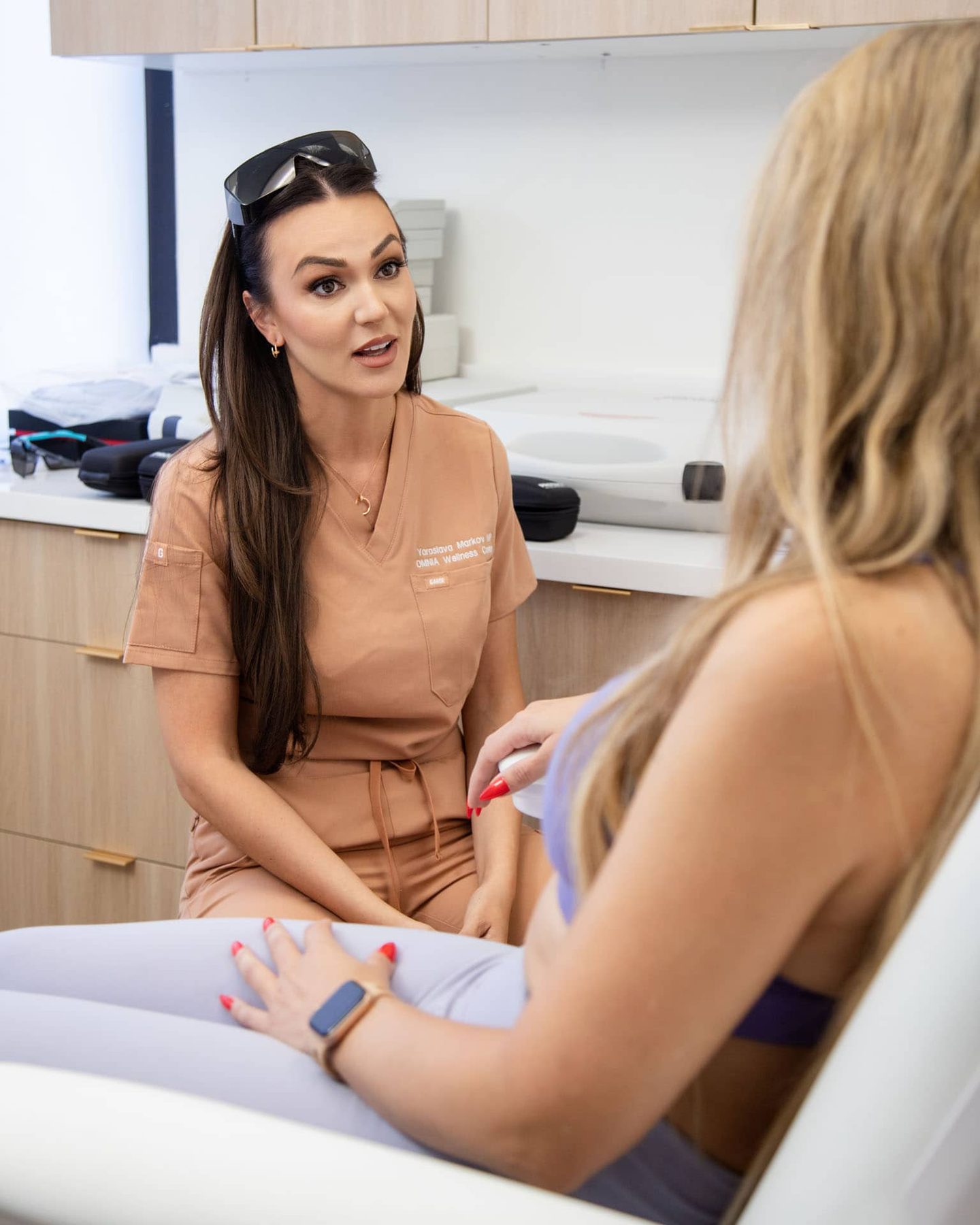
Fotona 4D is one of those treatments that can look deceptively easy from the patient side. You come in, spend some time in the chair, leave a little pink, and by the next day you may feel almost normal. That quick recovery leads many people to assume there is very little they can do wrong afterward. In practice, the first several days matter more than most expect.
With the TimeWalker platform, the skin has been deliberately stimulated through a sequence of laser steps designed to tighten, refresh, and improve tone and texture. Even when the surface looks calm, the tissue is still reacting below it. Heat has triggered a repair response. Hydration balance shifts. The barrier can be temporarily more vulnerable. If you jump back into workouts, scrub your skin, sit in direct sun, or pile on active products, you can turn a straightforward recovery into unnecessary redness, irritation, or prolonged sensitivity.
For patients getting a Fotona 4D Laser Facial (TimeWalker) in Encino, CA, aftercare has another local wrinkle: the Valley climate. Heat, dry air, bright sun, and the very normal habit of driving with sunlight streaming through the windshield all increase the odds of post-treatment irritation if you are not careful. Encino is not a place where you can casually forget about UV exposure for a week.
The good news is that recovery usually goes smoothly when patients know what to avoid and for how long. Most problems come from overconfidence, not from the treatment itself.
Why “what not to do” matters so much after Fotona 4D
Laser rejuvenation is controlled injury. That phrase sounds harsher than the experience feels, but it is the right framework. The treatment creates enough thermal effect to wake up collagen remodeling and improve the skin’s appearance over time. Your job afterward is not to “help” the skin by doing more. It is to stay out of the way while the barrier resets.
The people who recover best usually take a boring approach for a few days. They cleanse gently, moisturize, protect from sun, and resist the urge to test whether they can resume every normal habit immediately. The people who end up calling the office often say some version of the same thing: “I felt fine, so I went to hot yoga,” or “I only used a little retinol,” or “I was just outside for twenty minutes.”
Those choices do not always create serious complications, but they can increase inflammation, intensify redness, trigger sensitivity, and blur the result you paid for.
Avoid direct sun, even if your skin looks fine
If there is one rule that deserves to be taken literally, it is sun avoidance. After a laser treatment, skin is more reactive to ultraviolet exposure. Even incidental sun can be enough to aggravate redness or contribute to uneven pigmentation, especially in people who tan easily or have a history of post-inflammatory hyperpigmentation.
This catches people off guard in Encino because “I was not sunbathing” feels like a defense. The problem is that sun exposure rarely looks dramatic. It is walking from the parking lot into the grocery store at noon. It is sitting near a bright office window. It is driving east or west with sustained sun on one side of the face. It is lunch on a patio because it does not feel that hot.
For the first several days, and often longer depending on your provider’s guidance, think in terms of active avoidance. A wide-brim hat helps. Shade helps. Timing errands for early morning or evening helps. Mineral sunscreen is usually part of the plan, but sunscreen is not permission to bake outdoors right after treatment. It is a layer of protection, not a hall pass.
Patients with melasma, deeper skin tones, or a history of pigment issues need to be especially disciplined here. In those cases, one careless afternoon can set recovery back far more than expected.
Do not use harsh skincare just because you want faster results
There is a strong temptation to “boost” the outcome. Someone gets a glow from the treatment and then thinks a retinoid, exfoliating pads, vitamin C serum, or a peel at home will push things further. Usually the opposite happens.
After Fotona 4D, the skin barrier can be temporarily more fragile. Products that were perfectly tolerable a week earlier may suddenly sting, redden the skin, or leave it feeling tight and overprocessed. The most common offenders are retinoids, alpha hydroxy acids, beta hydroxy acids, benzoyl peroxide, strong vitamin C formulas, exfoliating scrubs, cleansing brushes, and alcohol-heavy toners.
A patient once described it well: “My skin did not feel damaged, so I treated it like normal skin.” That is exactly the trap. Post-laser skin may not look dramatic, but it is still healing skin.
If your provider has not told you exactly when to restart active products, wait and ask. In many cases, a short pause is all that is needed. Losing a few days of retinol is far better than creating a week of irritation.
Skip heat in all its forms for a while
Heat is a major but underappreciated problem after laser procedures. Most people know to avoid the beach. Fewer realize that a hot shower, steam room, sauna, or intense workout can also prolong redness and swelling.
The reason is straightforward. Heat dilates blood vessels and increases inflammation. Right after a treatment designed to create thermal stimulation, adding more heat is rarely useful. It tends to amplify flushing and discomfort instead of helping recovery.
This matters in everyday routines. That post-treatment “treat yourself” impulse often leads people toward long, hot showers, outdoor brunches, or spa amenities that are not ideal. In Encino, where warm weather is common and people are often active outdoors, this is particularly relevant.
For the first phase of healing, lukewarm water is the safer choice. Keep showers brief. Avoid steam-heavy bathrooms. If you are someone who cooks over a hot stove or opens a blazing oven repeatedly, even that can irritate very sensitive skin the same day.
Hold off on strenuous exercise
Exercise is healthy, but timing matters. Hard cardio, hot yoga, spinning, bootcamp classes, and runs in warm weather all increase heat, sweat, and blood flow to the face. That can make you redder, puffier, and more uncomfortable than necessary.
Sweat itself is not toxic, but it can sting sensitized skin. Friction from wiping the face, salt sitting on the skin, and the heat generated by exertion all add up. Patients who exercise aggressively too soon often report a flare of redness later that day and then wonder whether the treatment “went wrong.” Usually it did not. They just stressed the skin during its recovery window.
How long to avoid workouts depends on the intensity of treatment and the provider’s protocol. Some people can resume light activity relatively quickly, while others should wait longer before returning to full exertion. When in doubt, err on the conservative side. Missing one or two gym sessions is cheaper than extending your downtime.
Avoid picking, rubbing, or chasing texture changes
Healing skin often feels strange before it looks fully settled. You might notice roughness, dryness, a sandpapery feel, mild flaking, or an uneven texture for a short period. That is not an invitation to scrub it smooth.
One of the most damaging habits after laser treatment is tactile overmanagement. People rub the area to “see how it’s doing.” They use washcloths because the skin feels dry. They pick at flaking patches or tiny rough spots. They massage in product aggressively because they think circulation helps healing.
It usually does not. Mechanical friction can inflame the skin and interfere with the natural recovery process. What the skin wants most is gentle handling and patience.
If you wear glasses, even repeated rubbing from adjusting frames can matter if the treated area is sensitive along the nose and cheeks. The same goes for face masks with tight seams, rough pillowcases, and vigorous towel drying.
Be careful with makeup, especially heavy or occlusive products
Many patients want to know when they can safely wear makeup. The right answer depends on how your skin looks, how the treatment was performed, and what your provider recommends. What matters most is not only when you apply makeup, but what kind.
Freshly treated skin tends to do better with simple, non-irritating formulas. Heavy full-coverage foundations, long-wear matte products, fragranced primers, and products that require scrubbing to remove can all create trouble. A thick layer may trap heat, highlight texture, or force you into aggressive cleansing at night.
There is also a behavioral issue here. When people are anxious about a little redness, they often use more product than usual, then work harder to blend and remove it. That extra manipulation can be worse than the redness they were trying to hide.
If you have an event soon after your appointment, it is worth planning ahead with your provider. Timing the treatment properly is often better than trying to camouflage a skin barrier that is still settling.
Do not book competing treatments too close together
A laser facial is not something to stack casually with every other skin treatment. In the rush to maximize results, some patients schedule peels, microneedling, facials, waxing, threading, or injectables too close to their laser appointment. That can increase irritation and make it hard to know what caused a reaction if one develops.
Waxing and depilatories deserve special mention. Skin that has recently undergone laser treatment may be more fragile than usual, and hair removal methods that tug or chemically strip the surface can create real irritation. Strong facials can do the same, especially if they involve extractions, acids, microdermabrasion, or steam.
This is where individualized planning matters. Someone preparing for a wedding, reunion, or filming schedule often wants to fit everything into one week. In my experience, spacing treatments is usually the smarter move. Better skin almost always comes from restraint, not from crowding the calendar.
Avoid smoking and go easy on alcohol
People often think of aftercare as a skincare issue only. It is broader than that. Smoking impairs healing, and alcohol can worsen flushing and dehydration. Neither is ideal after a treatment that depends on healthy tissue recovery.
This does not mean one glass of wine automatically ruins a result. The point is cumulative stress. If the skin is already warm, slightly dry, and reactive, then adding dehydration, vasodilation, and poor sleep is not helpful. A late, salty dinner with cocktails on the same night as treatment tends to show up in the mirror the next morning.
Patients who hydrate well, sleep well, and keep the first day or two quiet almost always report smoother recoveries.
The products and habits most likely to cause trouble
The easiest way to avoid mistakes is to recognize the common ones before they happen.
- Retinoids, exfoliating acids, scrubs, and benzoyl peroxide too soon after treatment
- Direct sun, patio dining, beach time, or long car exposure without strong protection
- Hot showers, saunas, steam rooms, and strenuous exercise in the early recovery period
- Picking, rubbing, or over-cleansing because the skin feels rough or flaky
- Waxing, facials, or other treatments before the skin has fully settled
That list looks simple, but those five issues account for most preventable post-laser irritation.
What “gentle” actually looks like
Patients hear the phrase “be gentle” all the time, but it is often too vague to be useful. In real life, gentle means washing with fingertips rather than a textured cloth. It means patting dry instead of rubbing. It means using a bland moisturizer without assuming more ingredients equals better healing. It means accepting a little dryness without attacking it with exfoliation.
It also means reading product labels. Fragrance, menthol, eucalyptus, strong acids, and “tingling” formulas are rarely good ideas right after treatment. A lot of products marketed as calming still contain enough extras to irritate laser-treated skin.
If your skincare shelf is crowded, this is the time to simplify. Think less spa routine, more skin barrier triage.
How long do these restrictions last?
That depends on the intensity of treatment, your skin type, your history of sensitivity, and your provider’s protocol. Recovery after Fotona 4D is often easier than many people expect, but “easier” should not be confused with “no rules.”
Some restrictions may only matter for a day or two. Others, especially strict sun vigilance and caution with actives, deserve attention for longer. Patients with rosacea, melasma, eczema, or a history of hyperpigmentation usually need a more conservative approach. So do patients who combine treatments or who have naturally reactive skin.
This is why good offices give specific aftercare instructions rather than generic advice. A patient treated lightly for prevention does not always follow the exact same timeline as someone treated more aggressively for texture or laxity.
When normal symptoms stop being normal
Most people experience some combination of mild redness, warmth, tightness, or slight swelling. Those effects often settle within a short window, though exact timing varies. Temporary dryness or rough texture can also happen.
What deserves a call to your provider is anything that feels out of proportion to the instructions you were given. Increasing pain, marked swelling, unusual blistering, crusting that seems significant, or a reaction that worsens instead of gradually improving should not be self-managed with random products from the bathroom cabinet.
One reason patients get into trouble is embarrassment. They assume they must have done something wrong and try to fix it themselves. Good practices would much rather hear from you early than after three days of improvised remedies.
Special considerations for Encino patients
A lot of aftercare advice online is written as if everyone lives in mild, cloud-covered weather. That is not real life in the San Fernando Valley. If you had a Fotona 4D Laser Facial (TimeWalker) in Encino, CA, your environment matters.
Bright UV exposure is the obvious factor, but heat and dryness count too. Air conditioning can dehydrate the skin indoors. Summer errands can expose you to intense sun before you realize it. Even a routine drive on Ventura Boulevard can create more cumulative sun exposure than patients think, especially if they spend time in the car each day.
Outdoor fitness culture is another factor. A lot of people in Encino are active, which is great overall, but post-laser recovery is not the week to test your discipline with hill repeats, tennis in midday heat, or an outdoor pickleball session because “it’s only an hour.” This OMNIA Wellness Center Fotona 4D Laser Facial (TimeWalker) Encino, CA is one of those cases where local lifestyle genuinely affects healing behavior.
A practical first few days approach
For most patients, the safest rhythm is plain and predictable. Stay cool. Stay shaded. Keep products simple. Let the skin recover without trying to speed it up. If you are deciding between a stricter choice and a more casual one, the stricter choice usually wins for the first few days.
A useful way to think about it is this: if an activity heats the face, dries the skin, creates friction, adds strong ingredients, or increases UV exposure, it probably belongs on the “not yet” list.
When you can return to normal
Normal does come back quickly for many people, and that is one reason this treatment remains popular. The mistake is returning to everything at once. A gradual restart is better than a sudden snap back into your full skincare routine, full exercise schedule, and full social calendar in the sun.
If your provider says you can resume certain products or activities, reintroduce them thoughtfully. Do not restart five actives the same night. Do not book a peel because your skin “handled the laser well.” Good outcomes tend to favor people who stay patient just a little longer than they think necessary.
That patience protects the investment. Fotona 4D works by stimulating meaningful change in the skin over time. The aftercare window is short compared with the life of the result. Treat it that way, and you give the treatment the best chance to do what you wanted it to do in the first place.
OMNIA Wellness Center
16430 Ventura Blvd Ste 207, Encino, CA 91436
Phone: +1 818-386-8511
FAQ About Fotona 4D Laser Facial (TimeWalker) Encino, CA
What is a Fotona laser good for?
Fotona lasers support several different aesthetic protocols. The Fotona 4D facial uses two wavelengths and four treatment modes to address concerns such as fine lines, skin texture, and mild laxity. OMNIA Wellness Center offers the TimeWalker facial with an individual consultation. Suitability and likely improvement depend on the person's skin and goals; results are not guaranteed, and this treatment does not reproduce a surgical facelift.
How much does a Fotona laser treatment cost?
The cost depends on the treatment protocol, areas treated, number of sessions, and provider's assessment. Ask OMNIA Wellness Center for a current written quote that explains what is included, whether follow-up is included, and any proposed package terms. An individualized estimate is more useful than assuming that one advertised price applies to every facial treatment.
How much downtime is there after a Fotona laser procedure?
Recovery varies with the specific protocol and intensity. Fotona describes its 4D facial as having little to no downtime, but temporary redness or sensitivity can occur, and a stronger surface treatment can require more recovery. Ask the treating clinician what to expect from the planned settings, how to care for the skin afterward, and when to contact the clinic with concerns.
Ends · ARCHERZKWI991